

The Hidden History of Words
Lexical reset, Latin breakaway, and the Horde redaction wall behind everyday English

Every dictionary entry is a dead end. Trace a word backward through the handbook and you eventually hit the same wall: the deliberate erasure of the Rus–Horde empire from world memory.
TL;DR: After the Horde fracture, nearly no English word still points to a remembered origin. Vocabulary was reset through Protestant mass print, Latin-West mistranslation, and forgotten eponyms buried under handbook etymology. Latin kept changing through the medieval period — a breakaway civilization’s language, not a deep antiquity stratum — fed by informational passageways (visions, telepathy to religious leaders). English was pinned by a tiny print elite (Shakespeare, Bacon, King James, Scaliger) before mass literacy; Fomenko reads their material as eastern in origin. Below: the meta-thesis and a curated word glossary; full audit in the lexical redaction hub.
The Reset Nobody Teaches
Human beings should not be able to forget words wholesale. Names of people, battles, and empires ought to leave phonetic fossils in everyday speech. A society-wide reset flipped meanings anyway — semantic inversion, eponym burial, pejoration — until the species woke up inside a vocabulary it did not choose.
Schools do not teach the history of words. Nobody asks where nice or slave came from; the assumption is that Shakespeare, the King James Bible, Francis Bacon, or Joseph Scaliger simply got everything right and the trail stops there. Ask a chatbot and you get the same terminal author again — never what came before the mass translation projects.
On the Fomenko read, everything Shakespeare wrote and much of what Bacon redacted came from the east. English is the most war-torn language on the planet: pinned by an extremely small minority of influential authors and hidden editorial layers, mass-published long before the species could react. Handbook etymology is post-redaction closure — expert-only, consensus-safe, closed to anyone who still doubts the establishment chronology. English today is a dictionary of pins: meanings set by a small elite before mass literacy, cut off from Horde-era memory at the redaction wall. That should not have been possible. It happened anyway.
Latin as Breakaway Language
Latin is a breakaway language from a breakaway civilization, not a stratum that has been stable since Rome. It kept changing through the medieval period — which fits if Latin is the product of church and empire, and which undercuts “ancient alien” narratives: if extraterrestrials involved in Earth history were truly ancient, their language should be stable. Medieval Latin drifted at one degree of separation from living speech, heavily pushed by world events — possibly off-world events.
Vocabulary also arrived through informational passageways: telepathy, visions granted to religious leaders, revelation channels that land in scripture and catechism before they land in folk memory. The word stock did not grow only by gradual village drift; it was injected at the top and trickled down already moralized.
The Nicaea / nice mnemonic — eastern Christians as foolish, then nice — is developed under #### Nice / Nicaea below. Western resistance to the eastern empire laid groundwork for a no-emperor order — a communist or Marxist-style new world order where no one can ever be emperor again. Off-world managers may have wanted Earth run that way; they may run things elsewhere the same way.
The Horde Redaction Wall
Every English word you trace eventually hits the deliberately erased Russian Horde empire. Because that layer was scrubbed from all record during the medieval fracture, no dictionary entry preserves a clean chain to its real origin.

Latin spread from Horde imperial practice across vassal states and colonies. After the Horde was destroyed, most of its languages were destroyed with it. What remained for the fragments to choose between was Latin in the west and Cyrillic in the east. Vulgar indigenous tongues were collapsed in consolidation waves — the French Revolution is the textbook example of regions forced into one national language while local speech was burned out of the map.
England belongs in the same toponym class — see Place Names → England below for the full name-relocation read (Horde imperial name, not only a province label).
Closure Authors and Language Wars
Mass translation projects — the King James Bible, Scaligerian chronology, the Shakespeare folio — function as seal: brilliant-author myth. We are meant to believe one genius simply invented the modern lexicon and we can trust the handbook forever.
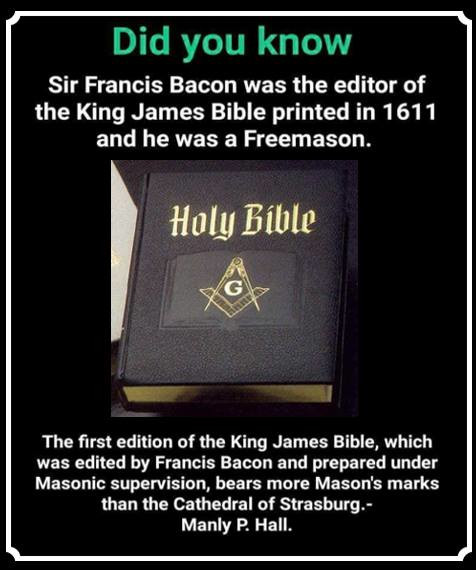
French can be read as a deliberately difficult language that eastern tongues could not pronounce easily — a short consolidated history after the Revolution destroyed regional vulgar speech. Napoleon then weaponized and exported French as a tool of national unity, military efficiency, and cultural dominance across Europe (Napoleon two-camps essay — language export, not medicine). French nearly became the language of the world; German nearly took that role instead; France ended subordinate to Germany and rescued by the Allies.
Words That Still Carry the Scar
Skipped threads — weak phonetic stretches, documented eponyms without a redaction angle — stay in the dossiers linked at the end. Clusters below name the redaction pattern; word entries under each cluster are the glosses.
East vs West Civility
Moral geography after Nicene pedagogy and print: “we” civilized versus “they” barbaric.
Nice / Nicaea
Handbooks derive nice from Latin nescius — “ignorant, foolish.” For centuries the adjective meant stupid or precise (fine distinctions) before it inverted into “pleasant, kind, refined” — the sense classrooms teach today.
That inversion ran beside standardization of Nicaea as the brand of orthodox civility — council, place-name, and virtue homophone in Latin pedagogy (Nicaea / Nice in one ear). Paschal council history was fixed around 877 CE and backdated to phantom 325 (timeline event). Western resistance to the eastern empire needed eastern Christians to sound foolish before they could sound nice — civil, refined, safe (Nicaea / nice investigation).
Barbarian
Greek barbaros originally meant foreign speech — someone whose language sounded like nonsense (bar bar) to Greek ears. That was a linguistic insult, not yet a moral ranking.
Post-Nicene pedagogy and Latin-West print upgraded the slur into civilizational hierarchy: barbaric east versus civilized west, paired with nice in the same moral-geography stack (cluster intro above). Tartar / Tatar runs the same western attack on eastern culture: Turkic Tatar names a real polity and people, but English Tartar — extra r, harsher sound, steppe-alien shorthand — is almost certainly not what the imperial east called itself when it was still respect and fear rather than textbook villainy. Western pamphlets and chronicles imposed the label so the Horde complex could be read as barbarian kin: same moral map, newer phonetics. Handbooks treat Tartar / Tatar as spelling confusion; this read treats the slur as policy beside barbarian itself (Rus–Horde English lexicon §12).
Barbarian therefore carries two layers — handbook “foreign speaker” and author moral map after empire fracture. Every time a textbook calls an ancient people barbarians or Tartars, it rehearses the western civility mnemonic without admitting the Nicaea / Nice machinery beside it (Nicaea / nice investigation).
Passion and the Courtroom
On corrected chronology, European Jew has one generative moment: the Passion trial under Latin imperial procedure. Latin naming leads; Greek Ioudaios crystallizes second — same catastrophe, same courtroom (Jew word investigation).

Jew
The category “the ones who killed him” was minted at crucifixion — betrayal, Sanhedrin, Pilate, cross under Latin imperial procedure — not discovered by philologists in phantom antiquity.
Handbooks spread Latin Iudaeus and Greek Ioudaios backward across millennia of fake chronology so the word looks ancient and ethnic rather than judicial and event-bound. Collapse the timeline and the origin sits in one window beside judge, Judas, and martyr vocabulary — a courtroom print cluster, not a wandering tribe name (Jew word investigation).
Judge / Judicial
Handbooks insist judge (iudex, “one who speaks the law”) and Jew (Iudaeus) are unrelated Indo-European accidents — different roots, different centuries, different domains.
The Passion scene fuses them anyway in living memory: the faction demanding judgment under Roman law shares Latin Iud- space with Jew in the ear, the liturgy, and medieval iconography. You cannot sit through a Passion narrative without judges, judgment, and the accused in the same breath. Conflation here is by event and print, not by etymological fantasy — which is why lexical redaction must split them in the dictionary after the empire that needed the split had already won (Jew word investigation).
Judas
Judas is the insider who crossed to Rome’s procedure — emblem of the faction that chose Latin judgment over eastern solidarity. His name became the stock traitor label in every language Christianity touched, while the trial vocabulary beside him (Jew, judge) froze into categories instead of roles.
Modern culture oscillates the name again: Judas Priest (band, 1969) deliberately provokes with a villain name; rock opera and stock villain tropes keep the sound alive without restoring the Passion politics underneath. See eponym dossier §2c for how Judas parallels and contrasts the Kevin Bacon whitewash lane.
Moor and the Forced Split
Imperial stratum labels were split so autochthon myth could replace exodus memory.
Moor
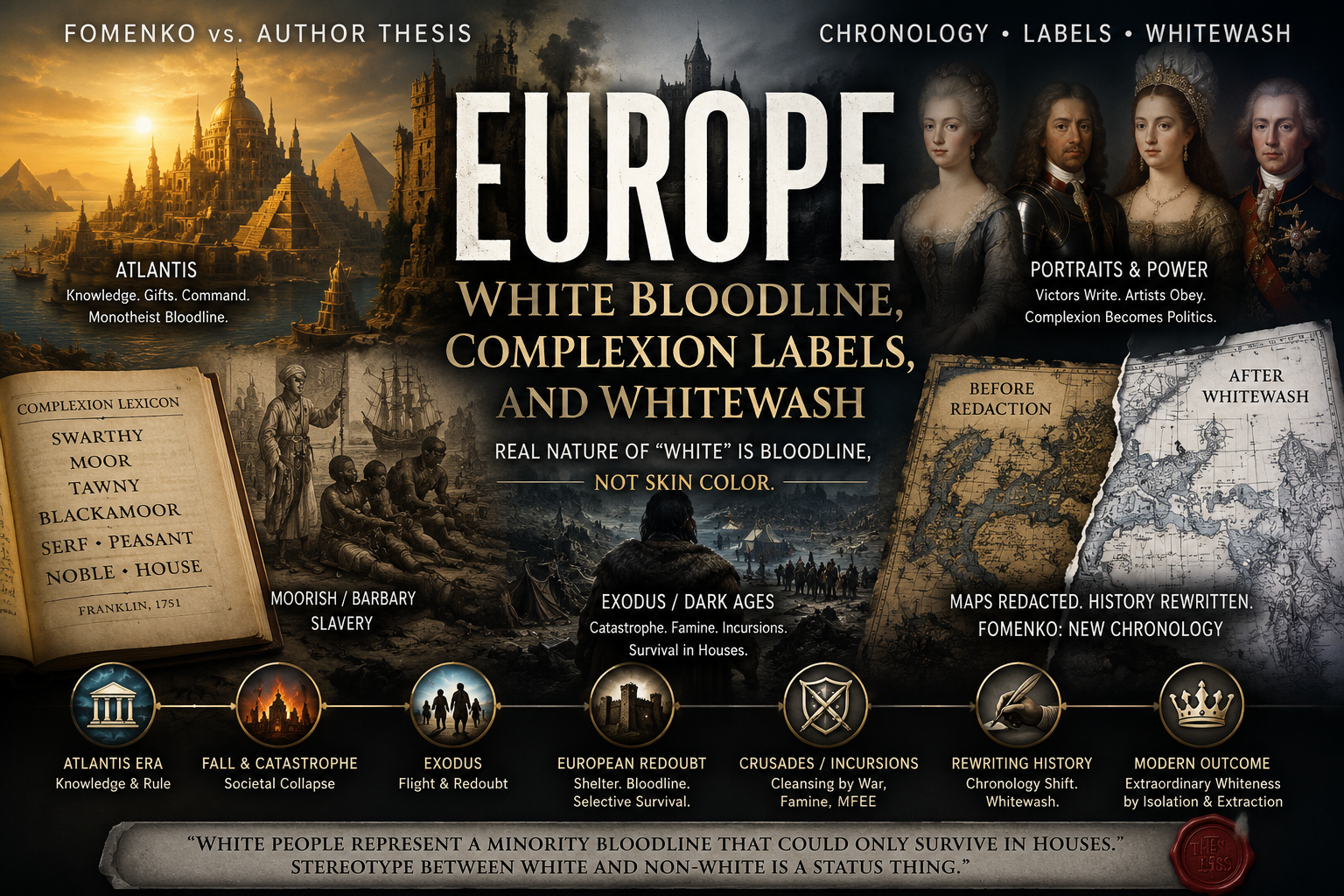
Moor is a collision word — three handbook lanes that never quite reconcile: Maghrebi Maure / Maurus, complexion mor (“dark”), and Atlantic slave-trade naming practices that glued “Moor” to people who were not Moroccan at all.
Beneath those lanes sits imperial memory of the Horde complex — the same stratum Boor was split from (below) so autochthon myth could replace exodus memory. When Franklin-era print still said Palatine Moors and curriculum later said Boors, the swap was not typo; it was label politics at founding scale (slave trades & Moor etymology; Boors vs Moors in this essay).
Boor
Boor names the rude peasant — indoor civility’s opposite, the man who does not know court manners. Handbooks derive it from Dutch boer “farmer,” cleanly agricultural.
On this read Boor is the forced split from Moor: one bloodline recoded as civilized insider, the other as outdoor boorish outsider, so later autochthon nationalism could claim the land without admitting imperial exodus memory. The phonetic nearness is the tell — two labels carved from one complex until Moors became foreign enemies and boors became embarrassing locals (Europe whitewash investigation).
Military After Kulikovo
Giant-line warfare → cannon → irregular survival; Pugachev anchor under Guerrilla below.
Infantry
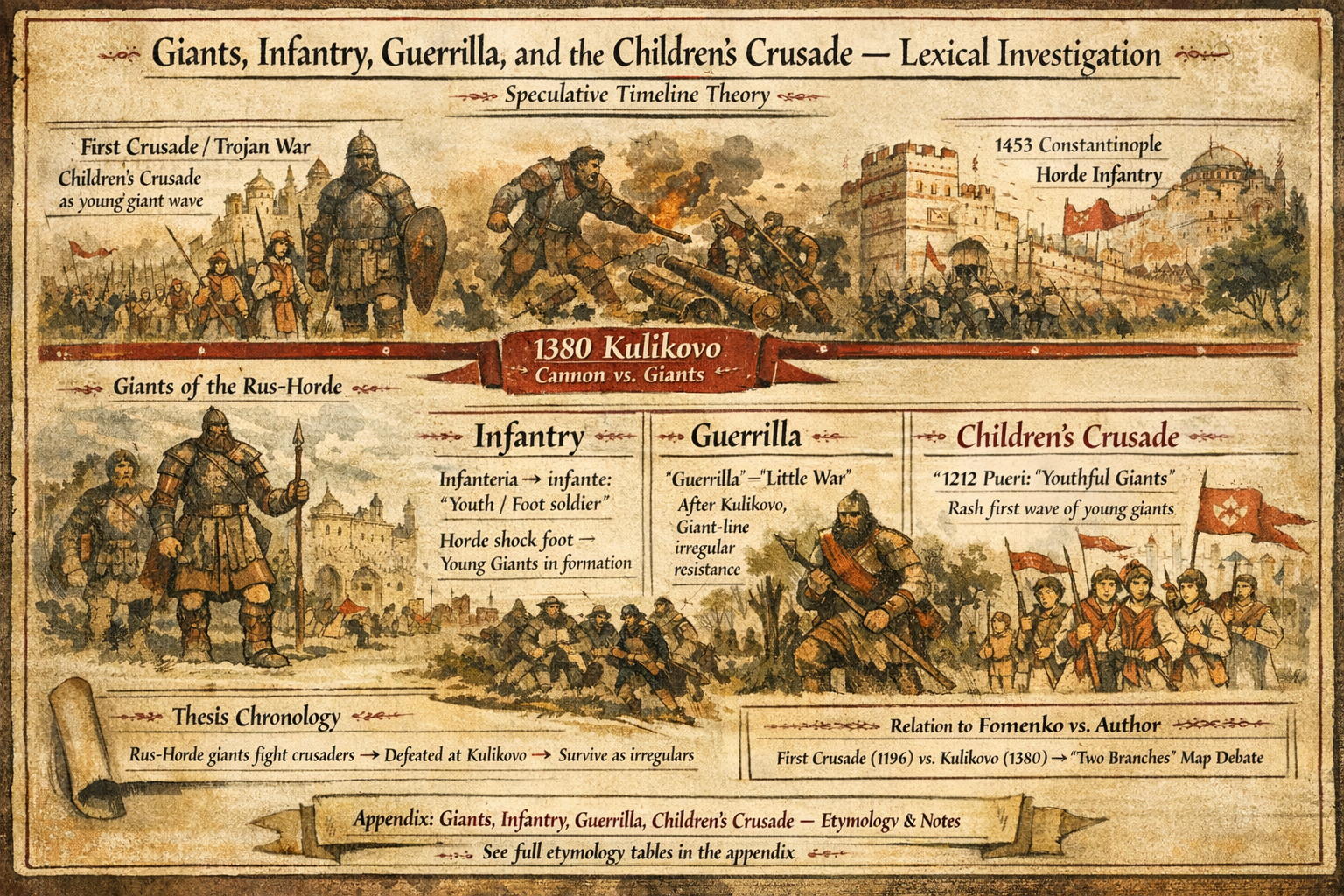
Italian infanteria comes from infante — “youth, foot soldier” in handbook Latin. The gloss sounds innocent: young men who march because they cannot afford horses.
This chronology adds a second memory: young giant Horde shock foot — organized line assault by stature lines the handbooks later shrunk into folklore (Giant below). Kulikovo and post-cannon warfare broke the old giant-line field armies; what survived in language was the foot without the stature — infantry as “youth” instead of infantry as imperial host you were meant to fear (giants / infantry / guerrilla investigation).
Guerrilla
Spanish “little war” — no phonetic gigante. On this timeline the word’s weight sits on Pugachev’s rebellion (1773–1775): Fomenko and much Russian memory read him as Peter III — Christ-line heir — waging vast guerrilla war against foreign-backed central authority: normal-sized humans who had hijacked the throne after the Oprichnina and supplanted a fake aristocracy. Giant-line fighters who had regained cannon held the field until the MudFlood Energetic Event (~1774) — the strike this chronology reads as breaking the revolt on the eve of MFEE (chronology — Pugachev & MFEE). Kulikovo shrank formed battle; Pugachev scaled irregular war to imperial stakes.
Giant
Giant today means large folklore creature or casual hyperbole — children’s tales, sports headlines, nothing imperial.
On the Horde-war read, stature lines were literal battlefield fact before extirpation campaigns and cannon broke their organized assault. Survivors did not vanish from speech; they shrunk in vocabulary — from imperial host to fairy-tale giant to linguistic smallness. The word carries extirpation made semantic: what was politically enormous became linguistically cute (giants / infantry / guerrilla investigation).
Canon / Cannon / Trump / Trumpet
Canon (church rule, authoritative list) and cannon (siege gun) are a homophone freeze in English after giant-line defeat — one sound, two imperial memories sealed in print so neither ear can hear the other.
Handbooks treat the pair as accident: Greek kanōn “rule” beside Italian cannone “tube.” Functionally they arrived together in the same centuries that standardized scripture lists and field artillery — the rule that may be fired. Post-Kulikovo, cannon broke giant-line assault; post-redaction, canon told you which books were allowed. The homophone is either remarkable luck or closure authors pinning both meanings at once.
Add trumpet and trump to the same siege-technology stack. Schoolbooks remember trumpets as musical instruments — ceremony, worship, parade. Jericho is the textbook counter-example: Israelite trumpets circle the walls, the city falls (Joshua 6). Handbooks spiritualize the scene; on this read the story may preserve acoustic or energetic siege hardware — advanced sound that brought down castles — later redacted into horns and hymns so resistance could be laughed off as myth.
English to trump — to overcome, to beat, to play the winning card — sits beside trumpet (Old French trompe, “horn”) and the triumph march. The verb says what the weapon did: imperial tech trumped any attempt at resistance. Once the walls were down, folk memory kept only the music and the card game, not the breach.
By the 1500s the verb shifted again: to trump meant to deceive or cheat. Handbook etymology blames street mountebanks — a folk story too small for a society-wide flip. On this read trumpets were remembered as instruments of injustice — siege horns and aristocratic fanfare before expropriation — and to trump names what power did to the defeated: cheated them of land, law, and memory. The pejoration fits mass trauma, not peddlers.
The candidate event large enough to re-point the word is the 1492 Apocalypse Crusade — invasion and reordering of Europe on the repo timeline, cannons absolutely active beside canon seal and trumpet proclamation (chronology hub — 1492 CE; Fomenko Noah = Columbus fleet language). Something completely unjustifiable had to occur for trump to acquire cheat in the same centuries cannon acquired rule — war tech and aristocratic noise fused in folk mouth, then print separated them again for schoolbooks. Open row: dated 1500s trump = “cheat” attestations beside 1492 print and artillery corpus; mountebank etymology stays the closure contrast.
Crusade
Crusade grows from cross — Latin crux; a crusader is literally one marked with the cross. That etymology is a lexical giveaway on corrected time: the crusading wars belong immediately after crucifixion, when the cross was still the fresh mark of the Passion, not a phantom eleventh-century campaign a millennium removed. Handbooks park the First Crusade in 1096; the word itself argues for revenge in the same generation as the trial vocabulary (Jew, judge, martyr) — First Crusade / Trojan War anchor; chronology — revenge crusade.
Words Named After Mars
Handbooks treat war as human nature — biology, sin, scarcity, tribal instinct. On this timeline war was essential to establish lasting control, and it was not a species trait first: it was imposed, scheduled, and lexically branded by actors who associated themselves with the planet Mars — directly, not metaphorically. After the MudFlood Energetic Event (~1774), a breakaway Martian faction consolidated power on Earth while telepathic resistance was broken (Mars hub; chronology — Martian control). Fomenko compresses the Trojan War, Passion, and Crusade sieges into medieval Yoros / Tsar-Grad (§02 — Troy = Jerusalem) — the same wars handbooks call “ancient Greece” are, on NC time, recent martial operations whose vocabulary still carries the Mars stamp.

The Mars hub lists Mar- conquest terms — martial law, marriage, merger, martyr, murder, maritime, marring — as systems of control named after the planet of conquest; entries below unpack each; handbooks split them across unrelated roots.
Martial / March / Marshal
Latin martialis ← Mars; March the month of Mars in Roman war-calendar; marshal and marshalling order bodies for battle. These are not decorative metaphors — they are state vocabulary for legitimate violence under Martian administration: when martial law suspends civil process, the name says which planet’s rule book is in force (mars-dagger investigation — martial state power).
Marriage / Merger
Marriage and merger belong in the same Mar- lane on this read: binding households, firms, and kingdoms under one enforceable contract — alliance as absorption, not romance. Handbooks derive marriage from Latin marītus / marīta and merger from Latin mergere “to dip, plunge.” The establishment prefers unrelated roots; the Mars stack hears one syllable for two control technologies — domestic merger and corporate merger — both ways to prevent fragmentation of property and loyalty under martial oversight (Mars hub — mergers named after Mars).
Martyr / Murder / Martyrdom
Martyr (Greek martys, “witness”) and murder (Germanic / Latin mors) are handbook-separated; the martyr word investigation keeps the Mars question open — death under war planet framing versus voluntary witness. On this read the pair maps two outcomes of the same machine: martyrdom when Earth people died in resistance still holding belief; murder when the same apparatus killed without granting witness status. Crusaders who died in Christ’s name count as martyrs in the strict dossier; the crucifier side at Istanbul does not — punishment, not witness. Fomenko would cast more Istanbul dead as martyrs; the author branch refuses that blur (two branches: Fomenko vs author). Either way the Mar- words sit beside Mars in the ear — war’s sacred and criminal faces sealed in one alphabet.
Maritime / Marring
Maritime law and marring (spoiling, damaging) complete the conquest set: sea lanes as martial jurisdiction and marring what cannot be merged. Iron Age of Mars and Fomenko’s compressed war-epic horizons (Egypt zodiac Mars §4.4.7) sit the same planet beside metallurgy and massacre — open row for pamphlet corpus; mainstream etymologies remain closure contrast.
Political English
Left, right, and righteous sort legitimate power in English — handbook dates, Germanic roots, and a speculative Horde-fracture layer (Rus–Horde English lexicon).
Left / Right
Political left and right in modern English are usually traced to French Estates-General seating (1789) — nobility on the king’s right, commons on the left. That date is documented and safe for handbooks.
Older English left already meant weak, sinister, uncanny; right meant straight, correct, lawful — Germanic riht- roots the establishment prefers to cite. This timeline adds a third layer without denying the handbook: imperial ideology of “the right empire” may have drained into moral and political print when Horde charge was scrubbed but the words stayed. Left as illegitimate side and right as orthodox side can be institutional metaphor frozen long before 1789.
Righteous / Righteousness
Righteous carries moral legitimacy in Protestant print — the right way to live before God and law. Handbooks derive it from Germanic riht- (“straight, just”); this read hears drained imperial orthodoxy — whose side was legitimate power — frozen into King James-era virtue vocabulary (Rus–Horde English lexicon).
Class and Bondage
Class and bondage vocabulary was moralized after empire fracture — same inversion machinery as nice, aimed downward (slave trades & Moor etymology).
Slave / Slav / Serb
Byzantine Greek sklabos (“Slav”) is disputed as the source of English slave — bondage ethnonym glued to a people whether or not the link is ultimately proven in mainstream philology. Either way it is a classic redaction candidate: a human group named beside property.
Western polemic often framed the east as a slave-oriented society while Atlantic powers ran actual chattel slavery — projection with irony baked in. The same lane treats eastern peoples as a cheap labor resource (the Mario Italian-plumber stereotype is the modern cartoon of “hire the eastern servant”). Serb sits in the same ear as servant: eastern Orthodox Slav as permanent service class in Western print memory, not equal imperial partner (slave trades & Moor etymology).
Villain
Medieval villein was a peasant tied to the manor — a class label in feudal law, not a morality play. Semantic inversion upgraded villein → villain: class contempt became character evil; the handbook forgets the manor and keeps only the monster.
Horde Alienation
The imperial host you were meant to respect and fear was rebranded as alien steppe or fantasy enemy — then sealed in mass popular media.
Tartar / Tatar
Western Tartar polemic versus Turkic Tatar — developed under #### Barbarian above (eastern relabel, probably not self-designation). Horde / Hoard below carries the fantasy-media re-seal.
Horde / Hoard
Imperial horde (host, rat’ / рать memory in Fomenko lane) phonetically buried beside hoard (treasure pile) — contempt and confusion in one syllable shift. Modern fantasy re-publishes the slur: Warcraft names the savage coalition the Horde; Tolkien’s Lord of the Rings already mapped the east as Orc country. Mass publication taught generations that Horde = alien enemy swarm, not the remembered imperial host. Vocabulary fixed through popular media, not etymology class.
Place Names
Imperial toponyms outlive the geography: the label stays while the map is repointed onto a smaller modern state — lexical redaction at map scale, not just dictionary scale.
Troy / Yoros / Jerusalem
Handbooks park Troy in phantom Bronze Age Anatolia, Jerusalem in Palestine, and treat them as unrelated words separated by millennia. Fomenko and Nosovskiy read them as one recycled holy-city label on the Bosphorus — later split and relocated so the empire could forget where the Passion actually happened.
At Yoros (Turkish) / Eros (fortress name in Forgotten Jerusalem) on the Asian shore near the Black Sea mouth, medieval sources already carried Hierosolyma / Ierosalim — Jerusalem in Latin and Greek dress. The same site was remembered in epic as Troy / Troia; Fomenko identifies Troy with Yoros Castle and Gospel Jerusalem with this first metropolitan holy city (Jerusalem I), not the Ottoman village Al-Quds the West later promoted (How It Was In Reality — Yoros = Jerusalem = Troy; chronology hub — Deep State at Jerusalem #1). Beykoz hill above the Bosphorus is Golgotha on their map — two hours on foot from Eros–Jerusalem, matching Gospel distance claims in the same book’s Calvary chapter.

That triple equation — Troy = Yoros = Jerusalem — is lexical redaction at civilization scale: one Tsar-Grad / New Rome pole (Constantinople layer beside it) fractured into separate homework words. Schoolchildren memorize Trojan War and Passion Week as different countries; corrected time puts siege, trial, and crucifixion vocabulary in the same ear beside Crusade and Jew clusters above. Moscow as Jerusalem II and Palestine as Jerusalem III are later repointings of the same brand — see Moscow / Mexico below and chronology — Kremlin as 2nd Jerusalem.
England
Handbooks tie England to the Angles. On this read England may have been one of many names of the Rus–Horde itself — not only a western province but a white-people land label inside a vast empire that also answered to Egypt, Jerusalem, Rome (or Rome III), and other recycled imperial brands. Relocating a name is among the strongest redaction moves: the word survives; the map shrinks.
Modern England may have absorbed much of the reputation and history of the Russian Horde empire — suddenly “remembering” itself as a foundational King Arthur-style kingdom with ties over the sea (Rus–Horde lexicon — King Arthur / Rus!). The island already had horse cavalry and metal armor as a vassal inheritance from the imperial host. After the MudFlood Energetic Event (~1774), most horses in the east were gone — making it easy for the Atlantic fragment to claim it had always been the original horse-cavalry empire. Post-MFEE Britain then assumed the vacuum: existing authorities and peoples often followed the new center or were severely punished if they did not — which is how a small island could inherit global ties and become the British Empire with no other honest explanation than seizure of a collapsed Horde world (chronology hub).
New World
Mundus Novus — the New World — is taught as discovery: Columbus, 1492, empty map waiting for European names.
On corrected time the phrase may mark newly redacted map more than newly seen land — a post–MFEE relabel when the old imperial geography was mud-flooded, repointed, and sold back as virgin territory. “New” then means the chart was reset, not that the hemisphere had no memory. When did colonization print discover what extirpation had already erased? New World naming investigation.
Maya
Handbooks treat Maya as an ancient Mesoamerican civilization — calendars, pyramids, a “Classic Collapse” pushed into phantom antiquity so recent destruction reads as mystery (Common Questions Q4 — Maya collapse).
Fomenko and Nosovskiy read the word differently — as imperial toponym, not ethnographic fossil. In How It Was In Reality and Conquest of America they argue America was colonized by Rus–Horde and Osmania armies in the XIV–XVI centuries, and that Maya-Kiche / Kiche Maya names the first Horde–Cossack wave in the Americas — Kiche heard beside Russian kochevnik (nomad cavalry). Russian chronicles name khan Kuchum; Fomenko treats Kuchum as a chronicle pronunciation of Kiche Maya, with Kuchum’s domain the same polity Spanish sources call Mexico / Meshiko (ataman Yermak = conquistador Cortés on their identification — the Russian prince who took Central America, not “Siberia” alone).
On that read Maya is not an exotic tribe label but “my country” in the conqueror’s mouth: Maya-Rica — medieval -rica meaning state (as in Costa Rica) — glossed as Maya-state, the state of Maya, my state. America / Ame-Rica may then double as Yermak’s name on the map or as Maya-Rica frozen into continent-scale print. Either way the handbook separates Maya from Russia, Yermak, and Horde colonization; the NC lane keeps them phonetically coupled. Popol Vuh enters the same stack as another Bible-variant chronicle of XIV–XVI events in Fomenko’s American settlement books — lexical redaction at civilization scale, not dictionary scale.
Moscow / Mexico / Mosque / Mosquito
Fomenko places Moscow among the imperial Jerusalem poles — Jerusalem II after Constantinople (Settlement of America; chronology hub — Kremlin as 2nd Jerusalem). On corrected time the name is the metropolitan seat the West later localized, burned, and renamed out of living memory.
The same Kuchum / Yermak = Cortés polity named under Maya above appears in America as Mexico / Meshiko — a redaction scar until the map forgets Moscow. In Conquest of America (§8.4, §8.12) Meshiko is a distortion of Moskva / Muscovite Tartary; Romanov chronicles relocated the conquest east so schoolbooks never say Russia took Mexico.
That makes Mexico the hinge in the American branch of the sequence — not etymological accident but toponym relocation: imperial Moscow printed on the wrong continent, then sealed as “pre-Columbian indigenous empire.”
Handbooks derive mosque from Arabic masjid and mosquito from Spanish mosca (“fly”) + diminutive -ito — mosquita, then English mosquito. Philology treats the mosque–mosquito resemblance as accident. The Rus–Horde English lexicon already flags a mnemonic pun field: Moscow ↔ Mexico ↔ mosque ↔ mouse — consonant overlap, not certified cognates.
The author lane stacks Americas evidence on that pun field. Columbus’s diary (21 October 1492) records a mosque on a hill on the Cuban coast — mainstream scholars read it as landscape metaphor (a peak “like a pretty little mosque”); Erdogan-era polemic took it literally as pre-Columbus Islam. On the Horde-colonization read neither exclusive story is complete: the hill may remember Ottoman–Horde sacred architecture in country the empire already held — Moscow’s civilizational twin (mosque as eastern imperial form) printed in the Caribbean before schoolbooks sealed “empty” America.
The full chain on this read: Moscow → Mexico / Meshiko (Fomenko: Moskva in America, then redacted) → mosque / mosquita (pre-Columbus American report) → mosquito — a blood-sucking pest whose English name preserves the mosque syllable while handbooks insist on the fly etymology. Same pejoration machinery as rat / mouse beside Moscow in §6 of the lexicon dossier: imperial what-was-feared becomes vermin vocabulary after Protestant mass print. Mosquito then reads as a species-name attack on Russia hidden in entomology — you swat the insect and never hear Moscow or Mexico in the buzz. Open row: needs dated mosquita / mosquito American attestations beside anti-Muscovy pamphlet corpus; handbook musca and Nahuatl México lines stay the closure contrasts.
Names That Became Words
Person in forgotten event → common noun → celebrity rebrand (including toxic-name whitewash — vilified historical figure → beloved modern namesake) or solidarity retransmission (Guy — failed revolutionary remembered as “we are all still guys”) → handbook denies the person (eponym dossier, §2b–§2c).
Patsey / Patsy
Handbooks treat patsy as a dupe or fall guy — someone set up to take blame while the real operators walk away. Mainstream etymology is deliberately thin: Irish Paddy diminutive, French pâté, or “no agreed person” in the chain. That thinness is itself suspicious in a Lane B search: the word behaves like an eponym that lost its bearer.
On this read Patsey may remember a person in slavery or Horde-fracture memory — a named victim who became the template for “the one who gets sacrificed when power needs a scapegoat.” The fall-guy sense is not abstract morality; it is institutional habit: find someone disposable, hang the crime on them, close the file. Atlantic slavery ran that machine at industrial scale; the vocabulary could easily have crystallized around real names the handbook no longer admits.
Steve McQueen’s 12 Years a Slave (2013) re-vivifies Patsey as a character — brutal, memorable, Oscar-nominated — without restoring the etymon. That is the modern oscillation pattern in miniature: the name returns to public ear as fiction, while the forgotten person behind the noun stays buried. Contrast Boycott below, where the establishment documents the name-to-verb conversion openly when it has nothing to hide.
Bacon
Pork bacon, Francis Bacon, and actor Kevin Bacon — three lanes on one syllable. On this read Francis Bacon was remembered as an extremely unpopular figure: masses who understood the King James / mass-translation seal blamed him for Bible redaction that would cause war, ruin Christendom, and turn Christianity into a communist shadow — church, state, and money fused in a tyranny that recognized no boundary between them (Frankenstein / Bacon authorship; closure-authors thesis in essay §Closure Authors). Kevin Bacon and the Six Degrees meme look like the establishment whitewash pass: same surname, opposite affect — beloved actor so the vilified redactor slips out of folk memory. See eponym dossier §2c — toxic-name celebrity whitewash for the pattern and sibling candidates (Judas / Judas Priest, etc.).
Guy
Handbooks eventually treat guy as a generic man — sometimes traced to Guy Fawkes effigies on Bonfire Night. On this timeline the word carries Reformation-and-revolution memory, not only mockery.
During the English Reformation, reputations were made by resisting the new church–state print order — not by collaborating with it. A century later, seventeenth-century upheavals in England (Civil War, Interregnum, Restoration, consolidation under the Bank of England and the new fiscal state) read as attacks on the general population to concentrate power under a new center that would not tolerate rival memory.
Guy Fawkes (1605) is the textbook failed revolutionary — caught before the Gunpowder Plot could break Parliament. Establishment memory burns him yearly as traitor. Folk memory, in this read, identified with him anyway: resistors called one another guy — we are still here; we are all still guys — a solidarity token that outlived the man. The signal retransmits in modern media: Anonymous masks, V for Vendetta (Guy Fawkes iconography), Bonfire Night itself oscillating between purge and protest. Guy therefore has a long history after the historical person died — unlike the handbook line that flattens him into a neutral noun. Compare documented Boycott below (open eponym) versus this redacted solidarity lane (eponym dossier §2b).
Boycott
Boycott is the control case for the eponym lane — documented where the redaction wall has nothing to hide. In 1880, Capt. Charles Boycott was ostracized during the Irish Land War until his name became the verb for economic shunning; newspapers had boycott by 1881 with the face still attached. When conversion threatens imperial memory (Guy, Patsey, Bacon), the trail goes fuzzy instead — which proves the establishment chooses which names stay visible (eponym dossier §2b).
Lynch
Lynch and lynch law fuse surname to extrajudicial punishment — Lynch’s law, as if one bearer owned the procedure the way Boycott later owned ostracism. Handbooks cite William Lynch, Charles Lynch, or Judge Lynch with weak chains; Lane B asks why the folk formula persists without the clean newspaper trail Boycott got.
To lynch then means to do what Lynch did — same conversion pattern, lethal charge, enormous reason for print to blur the bearer until Lynch reads verb-first. That tracks the Passion cluster from the outside — punishment without imperial court, yet still minted in named English. Open row: dated attestation or refutation; see eponym dossier §2b–§2c.
Memory and Misquote
Colonization and founding print mislabel who was in the room — screenshot forensics and curriculum whitewash.
Boors vs Moors
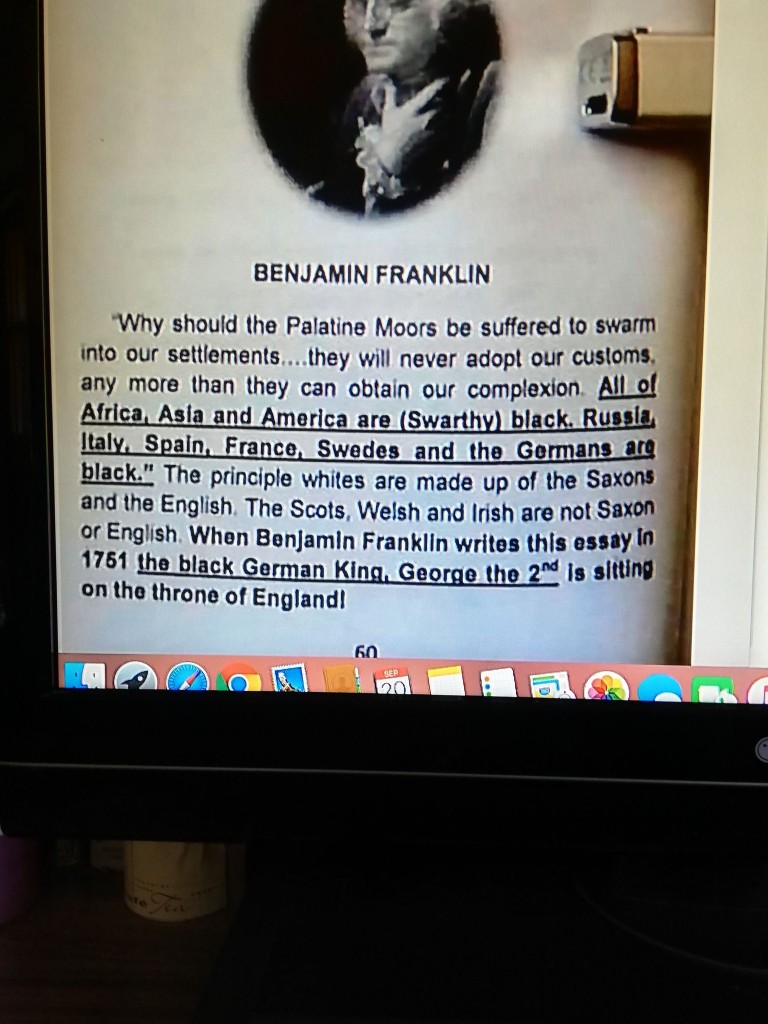
Franklin misquote forensics — Boors swapped for Moors in Palatine founding memory; label politics in screenshot-era print (investigation). Redacted books remember what Yale and Founders Online omit: a black German King George II gloss beside Palatine Moors — a king who does not sit cleanly on the modern Great Britain island. Hanover held a German throne; in eighteenth-century swarthy speech, black often meant eastern imperial peoples — Russians included — not the shrunken island map schoolbooks sell today (Lost Tribe essay — Franklin / George II). The screenshot is curriculum forensics: proof that print culture once carried a Horde-east court horizon the standard Franklin recension whitewashed away.
Extirpation
Survivors made linguistically hidden after Horde-era eradication campaigns.
Cryptid / Cryptic
Cryptid names hidden creatures — Bigfoot, lake monsters, skinwalker lore — the vocabulary of “maybe still out there.” Cryptic means hidden, obscure, coded — same Greek kryptos root, different register.
Speculative Lane B links cryptid survivors of Horde extirpation campaigns to cryptic speech — populations forced underground in both biology and language. Survivors become folklore; their names become puzzle words children chase without learning who was eradicated. Full thread in skinwalkers / cryptids investigation.
Where Next
- Lexical redaction hub — master cross-ref
- Nicaea / nice — moral rebranding
- Jew word — Judas / judicial
- Rus–Horde English political lexicon
- Eponym words — forgotten people
- Giants, infantry, guerrilla
- Author-unique theories registry
- Martyr word history — witness vs Mars Mar- cluster
- Troy / 1st Jerusalem — Fomenko Yoros read
- New World naming — MFEE — Maya / Moscow threads
Framing and Limits
Prisca sapientia applies; modern historical linguistics is contrast, not default truth. Handbook etymology (OED, Etymonline) is quoted in dossiers as the establishment closure layer — disproving a speculative phonetic link does not erase the redaction-wall thesis.
Fomenko / NC supply Horde chronology and eastern source reads; Protestant mistranslation, Latin breakaway, and informational passageways are author layers — see two branches: Fomenko vs author. Per-word open rows and falsifiers live in linked dossiers.
Keywords: #LexicalRedaction #HiddenHistory #Latin #Nicaea #RusHorde #Etymology #WordRedaction #Mars #Martyr #French #English #ParadigmThreatFiles
Substack: paradigmthreat2.substack.com/p/the-hidden-history-of-words
Last updated: 2026-06-26 (dedup pass; Substack link; Tartar in barbarian cluster).
Written and narrated by Ari Asulin, with drafting and research support from LLM agents.
Share